
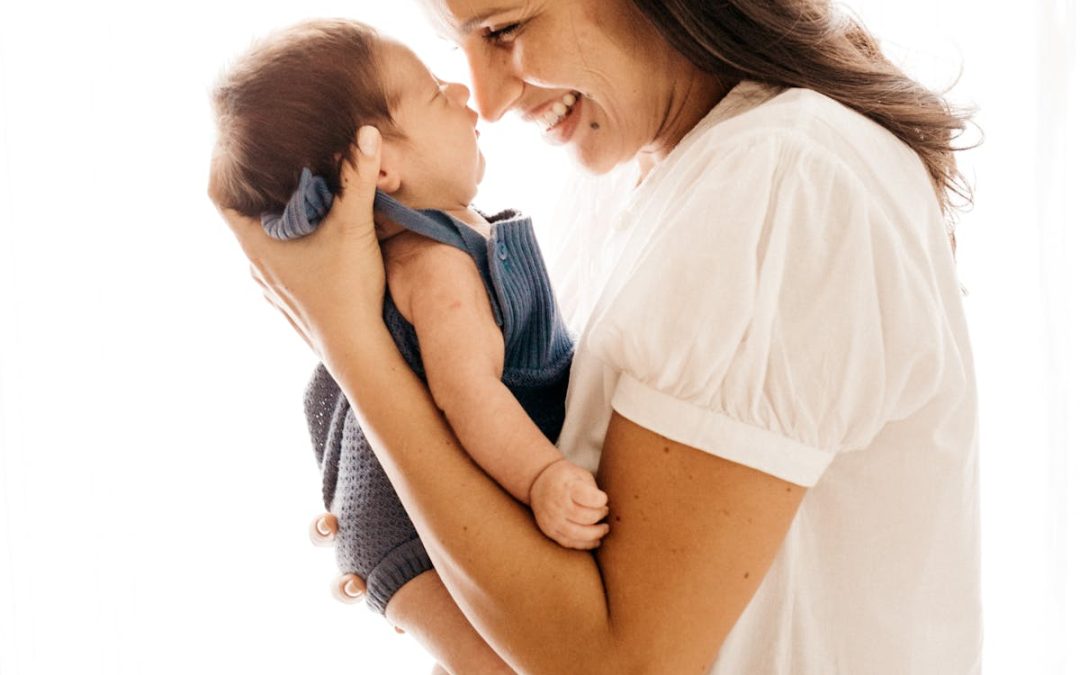
Skin-to-Skin Bonding is one of the simplest ways to support connection in the newborn phase—no fancy gear required.
In the first weeks, babies settle with warmth, scent, and your heartbeat. That’s why skin-to-skin bonding is often recommended right after birth—and it’s still valuable long after you’re home.
What counts as skin-to-skin bonding?
It’s the baby’s bare chest against your bare chest (or the other parent’s), with a light cover for warmth. It can be five minutes or an hour—consistency matters more than perfection.
Every day moments to build it in
- After the first morning feed
- After bath time, before pajamas
- During a fussy evening “witching hour.”
- During contact naps (especially with a wrap)
How babywearing supports skin-to-skin bonding
When you use a wrap carrier correctly, baby stays close, calm, and responsive—while you can still move through your day. It’s a practical way to protect cuddles when you have other kids, chores, or work calls.
Tips to make it easy
- Set up a comfy spot with water and snacks.
- Use a muslin blanket for gentle warmth.
- Keep baby’s airway clear and head turned to the side.
- Ask your partner to do a daily skin-to-skin bonding session too.
When to speak to a professional
If the baby is struggling to feed, doesn’t settle, or you’re feeling overwhelmed, reach out to your clinic, midwife, or lactation consultant. Skin-to-skin bonding can support regulation, but you deserve support as well.
Final thought
A little skin-to-skin bonding each day can be a reset button for both of you—calmer baby, calmer nervous system, and more “this is working” moments.